With the whole army of AI tools available, now writing content is not a blocker anymore. However, if this is done without proper planning - then it is of no value.
This article gives you a step by step framework of - how to plan for article topics, making it stand out and publishing it with ease on your website.
Please note, this framework is designed to use articles as a way to help grow your business.
--------------------------------------------------------------------------------
1. How to decide the topics for articles?
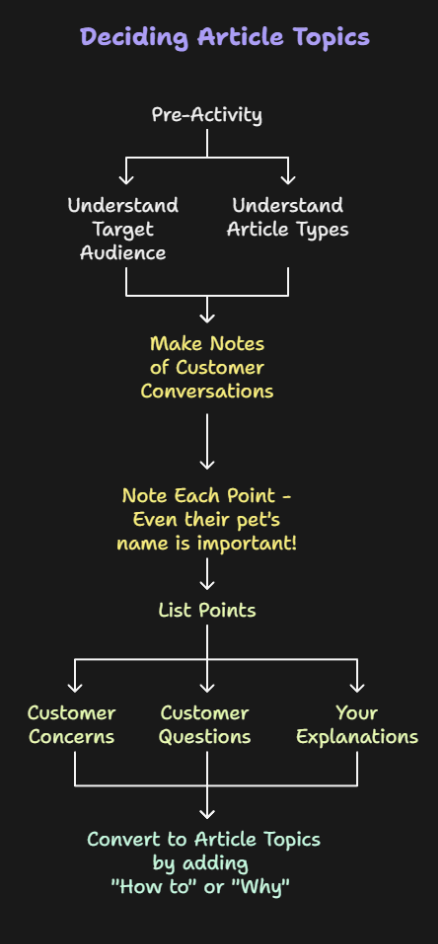
The biggest "blocker" for most businesses is not knowing what to write about. To drive growth, you need a balanced Topic Ecosystem that addresses every stage of the customer journey. Here are three main categories of articles one should write (in that order) on one’s website.
Sales Support Articles:
These are "pin-pointed" articles explaining your product or service. They serve a specific purpose. They mostly come into use when a prospect searches for you after a pitch. It helps to build trust.
Sometimes, they can also be used as sales tools. For example, you might send an article link after a meeting. Or, you can share article links as a passive follow-up method.
Psychological Hack: People tend to trust information more when they read it online rather than being told about it in a pitch.
If you are just starting to write articles, start with these.
Direct Articles:
These target the problems your audience is actively "googling"—much like people search for medical symptoms before seeing a doctor.
Think about the problem that you solve for your customer. Now think - what would a person google if they are suffering from the exact problem that you solve.
For example, if your business provides solution to acnes - your customer will definitely be searching for things like -
“Home remedies for acne” or
“How to treat acne? or
“Why does acne come?”
The more articles like these you write and publish, the easier it is for customers to find you - organically!
After most of your “Sales support articles” are done - you should be going for Direct articles.
Indirect Articles:
These cover the broader "world" of your customer. It may or may not be related to your product. But it is related to the life of your customers.
For example, if you sell to manufacturers, they might care about "Factory Audits".
Even if you don't provide them any product or service - to help them during audits, but it is important for your customer base.
Such articles makes your website their "go-to place," increasing brand loyalty.
However, you need to start writing these only when you have written enough of Sales Support and Direct articles.
Growth Activity: Replay your last 10 sales meetings. Note the concerns raised, questions asked, and the explanations you gave. Convert these into article topics starting with "How to" or "Why".
--------------------------------------------------------------------------------
2. The Human-First Writing Process
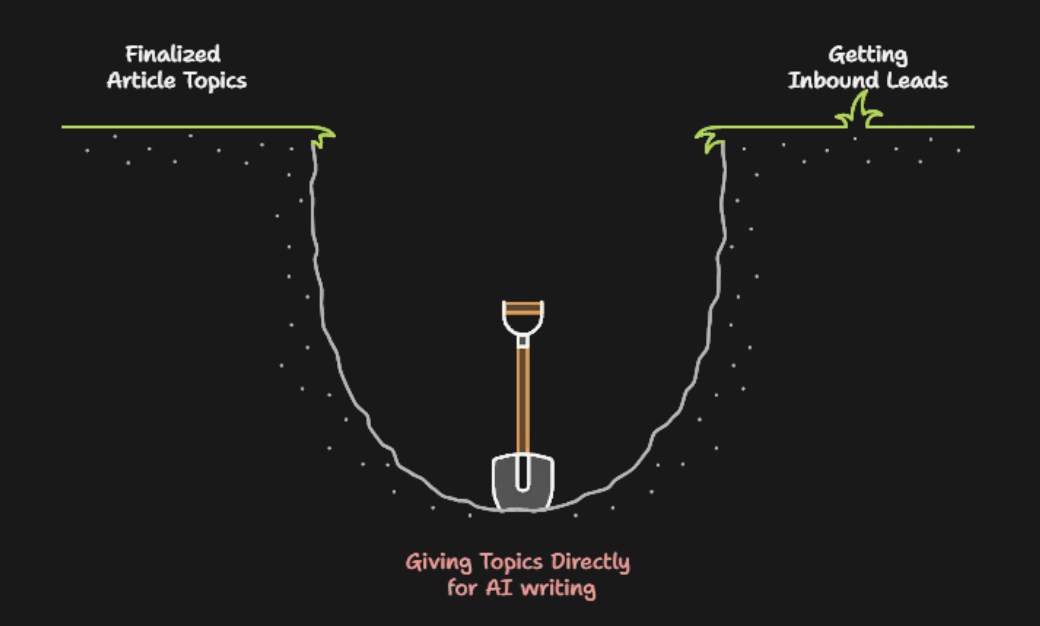
A common mistake is giving a topic directly to AI to generate an SEO article. This strips away your core knowledge and insights, which are your only true differentiators.
Instead, follow the steps below to make your article unique and truly valuable for your customers.
1. Draft from Experience: Make notes of what you actually tell clients during pitches. Include specific observations and learnings rather than generalisations.
2. SEO Alignment: Search your core keywords on Google and check the "People also ask" section. If there are questions you haven't answered, include them in your draft using the exact language searchers use.
3. Strategic AI Use: Give your notes to an AI (like Grok or ChatGPT) and ask it to structure them into an article without adding external information initially. Then, ask it to suggest facts or statistics to strengthen the piece.
--------------------------------------------------------------------------------
3. Optimise for Action and Trust
Business growth relies on the transition from "reader" to "prospect." Your writing must support this:
• The "TIL" Moment: Every article should provide specific, actionable information so the reader has a "Today I Learnt" moment that they can share with their network.
• The Jargon Check: If a 5-year-old child cannot understand every word, it is too complex. Replace industry jargon with simpler words to ensure you are accessible, not just "showing off".
Some people think using fancy words show that you are an expert. But we are not here to show off! We are here to get inbound leads - remember?
• DIY Tips: Don't be afraid to give away your "secrets" through DIY tips. In fact, sharing detailed "how-to" information is one of the most powerful ways to build tremendous trust with your audience.
When you openly share valuable knowledge, you position yourself as an expert who genuinely wants to help, rather than just sell. This transparency creates a strong connection and reassures potential customers that they are in capable hands.
Moreover, providing these insights doesn't diminish the value of your professional services. High-value customers—those who truly understand the complexity and benefits of expert work—will still prefer to hire you rather than tackle the tasks themselves.
They recognize that while DIY can be empowering, the precision, efficiency, and quality that come with professional service are worth the investment. So, by sharing your expertise freely, you not only attract a loyal audience but also highlight the unique advantages of your full-stack low-code CMS development platform.
--------------------------------------------------------------------------------
4. Why Your Website is Non-Negotiable
Publishing on social media is like talking to a customer while they are highly distracted. Furthermore, social content is a "stream" that passes with time, whereas website articles are permanent assets that Google prioritises in search rankings.
By hosting content on your website (ideally in a subfolder like website.com/blog rather than a subdomain), you ensure that visitors naturally gravitate toward your homepage and product pages, maximising your ROI.
Levo.so allows you to publish articles - in a subfolder - as easy as posting on social media.
--------------------------------------------------------------------------------
5. From Reading to Leading
The final step in driving growth is knowing who your audience is. Once you have traffic, identify your most popular pages and those with the most scroll depth.
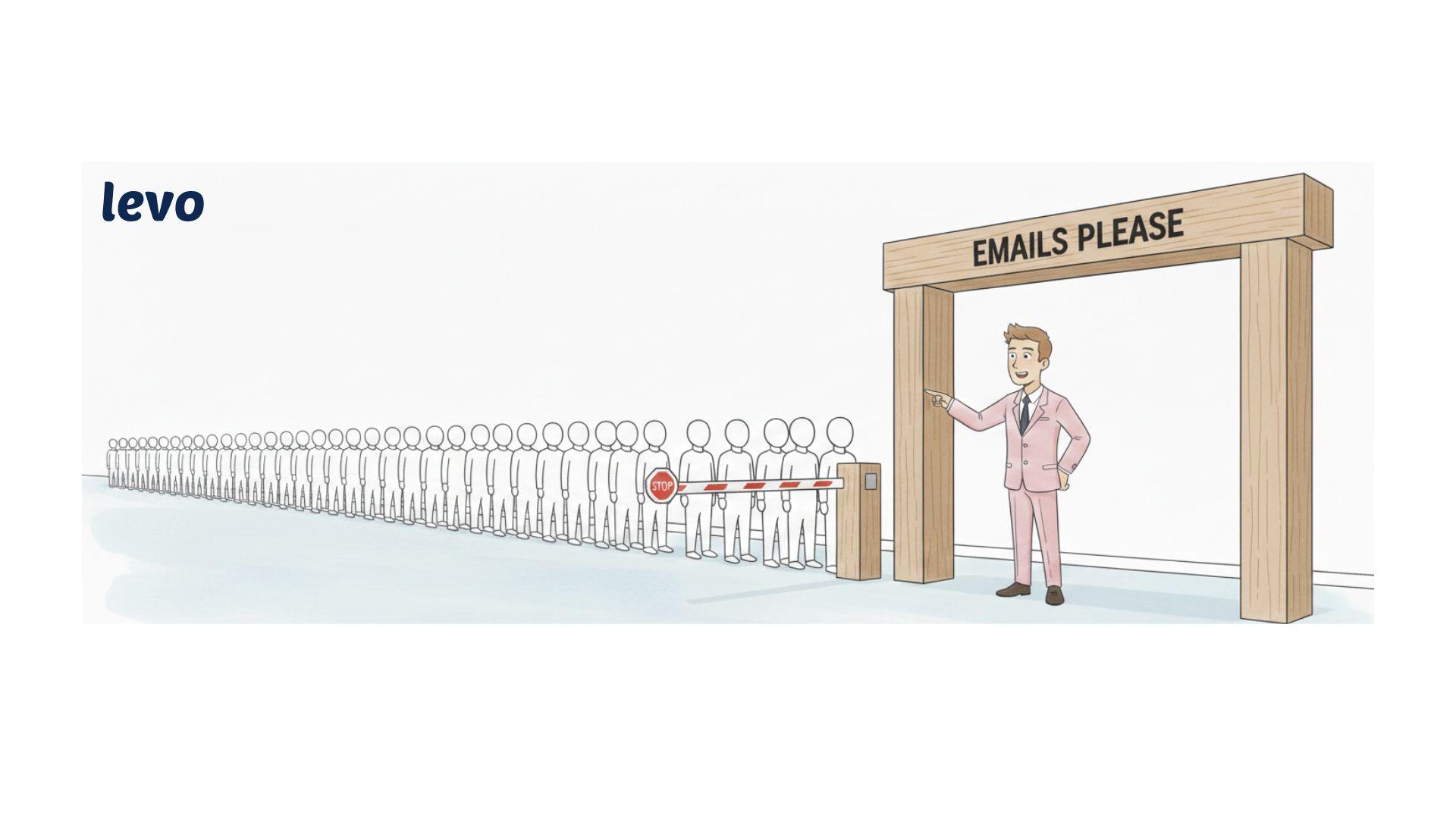
By "gating" this high-value content—requiring an email address to read the full piece—you convert anonymous visitors into leads.
Tools like Levo.so allow you to do this without a developer, providing insights into what your visitors are reading and even what text they are copying, allowing for super-personalised re-engagement